Heat pumps are popular across Oregon for a good reason. They heat in winter, cool in summer, and do both with impressive efficiency. But when a heat pump refuses to switch modes, comfort goes out the window fast. One day, you’re trying to cool the house and warm air keeps blowing, or the opposite happens during a chilly stretch.
We hear this concern a lot from homeowners around Portland, Dallas, and nearby areas. The issue usually isn’t random, and it’s rarely something you should ignore. A heat pump that won’t change modes is trying to tell you something. Understanding what might be happening behind the scenes can help you know when it’s a simple fix and when it’s time to call in a pro.
If you're in need of any heat pump repair, heat pump installation, or tune-ups, contact Sunset Heating, Cooling, Electrical & Plumbing today.
How a Heat Pump Switches Between Heating and Cooling
Before getting into problems, it helps to understand how a heat pump actually changes modes. Unlike a furnace and air conditioner combo, a heat pump uses the same system for heating and cooling. The switch happens when the refrigerant flow reverses direction.
This process is controlled by a part called the reversing valve. When everything works properly, the valve shifts based on signals from your thermostat, allowing the system to move heat in or out of your home. It sounds simple, but several components need to work together perfectly.
When one piece falls out of sync, the system can get stuck in one mode. That might look like cooling that never cools or heating that feels suspiciously like air conditioning. Because the system is still running, many homeowners assume it’s a thermostat issue or user error. Sometimes that’s true, but often there’s more going on.
Thermostat Issues That Can Block Mode Changes
The thermostat is the brain of your heat pump, so it’s always a good place to start. If the system isn’t switching modes, the thermostat may not be sending the right signals. This can happen even if the screen looks normal.
Thermostat problems show up more often than you might expect, especially in homes with older models or recent power interruptions. Wiring issues, programming errors, or internal failures can all prevent proper communication.
Common thermostat-related causes include:
- Incorrect system settings or mode selection
- Low batteries causing weak or inconsistent signals
- Loose or damaged thermostat wiring
- Incompatible thermostat models for heat pump systems
- Calibration issues that misread indoor temperatures
If adjusting settings or replacing batteries doesn’t help, it’s best not to keep forcing the system to run. A professional can confirm whether the thermostat is the problem or if it’s just the messenger for a deeper issue.
The Reversing Valve and Why It Causes Trouble
When a heat pump refuses to switch between heating and cooling, the reversing valve is often involved. This valve controls the direction of refrigerant flow, which determines whether your system heats or cools your home.
Over time, the reversing valve can wear out, stick, or fail electrically. Sometimes it gets stuck in one position, so no matter what the thermostat requests, the system stays in the same mode. Other times, the valve shifts partway, causing lukewarm air and inconsistent performance.
Signs the reversing valve may be struggling include:
- System blows warm air when set to cool
- System blows cool air when set to heat
- Unit switches modes briefly, then reverts back
- Strange noises during startup or mode changes
Reversing valve issues are not DIY repairs. They involve refrigerant handling and specialized tools. Catching the problem early can sometimes prevent more extensive damage to the system.
Low Refrigerant Levels and Pressure Problems
Refrigerant plays a central role in heating and cooling. When levels drop too low, the system can struggle to change modes or operate correctly. Heat pumps rely on precise pressure balances, and low refrigerant throws everything off.
Leaks are the most common cause of low refrigerant. These leaks may be small and hard to notice at first, but they gradually reduce system performance. In some cases, safety switches prevent the system from switching modes to avoid damage.
Low refrigerant issues may cause:
- Reduced heating or cooling output
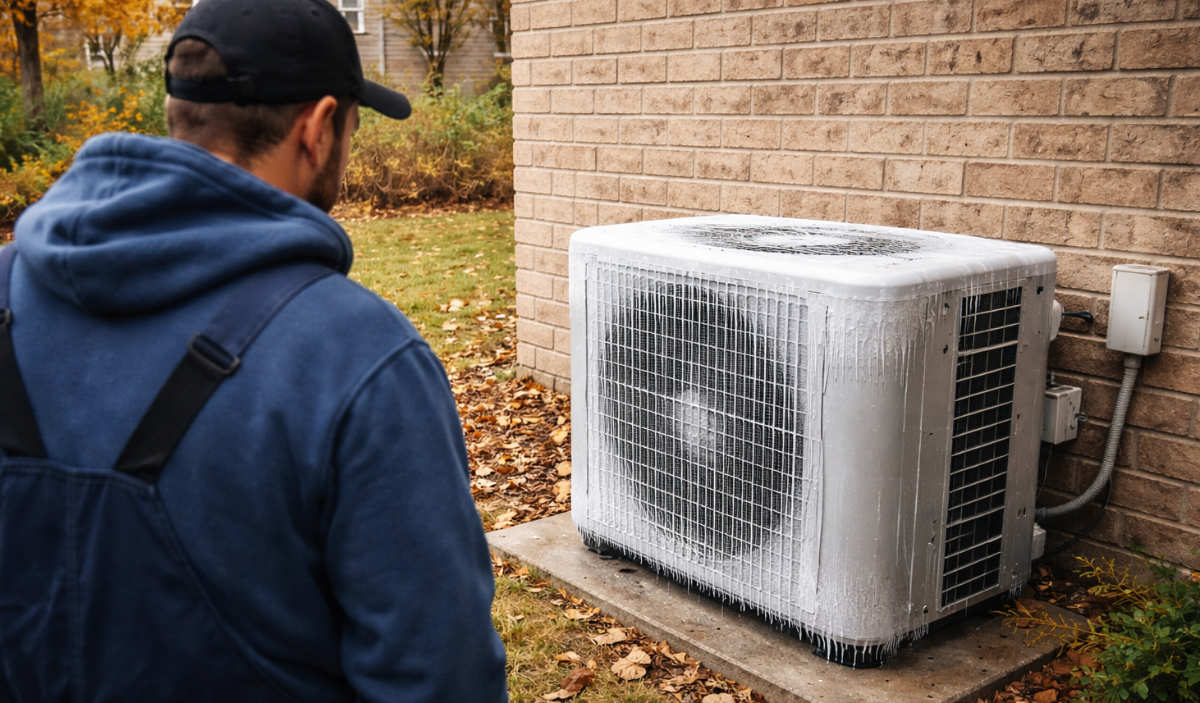
- Ice buildup on outdoor or indoor coils
- System stuck in one operating mode
- Longer run times with little comfort improvement
Adding refrigerant without fixing the leak is never the answer. A proper repair involves finding the leak, repairing it, and restoring correct refrigerant levels so the system can switch modes reliably again.
Electrical and Control Board Problems
Heat pumps rely on several electrical components to coordinate mode changes. When electrical issues appear, the system may run but fail to respond correctly to commands. Control boards, relays, and sensors all play a role.
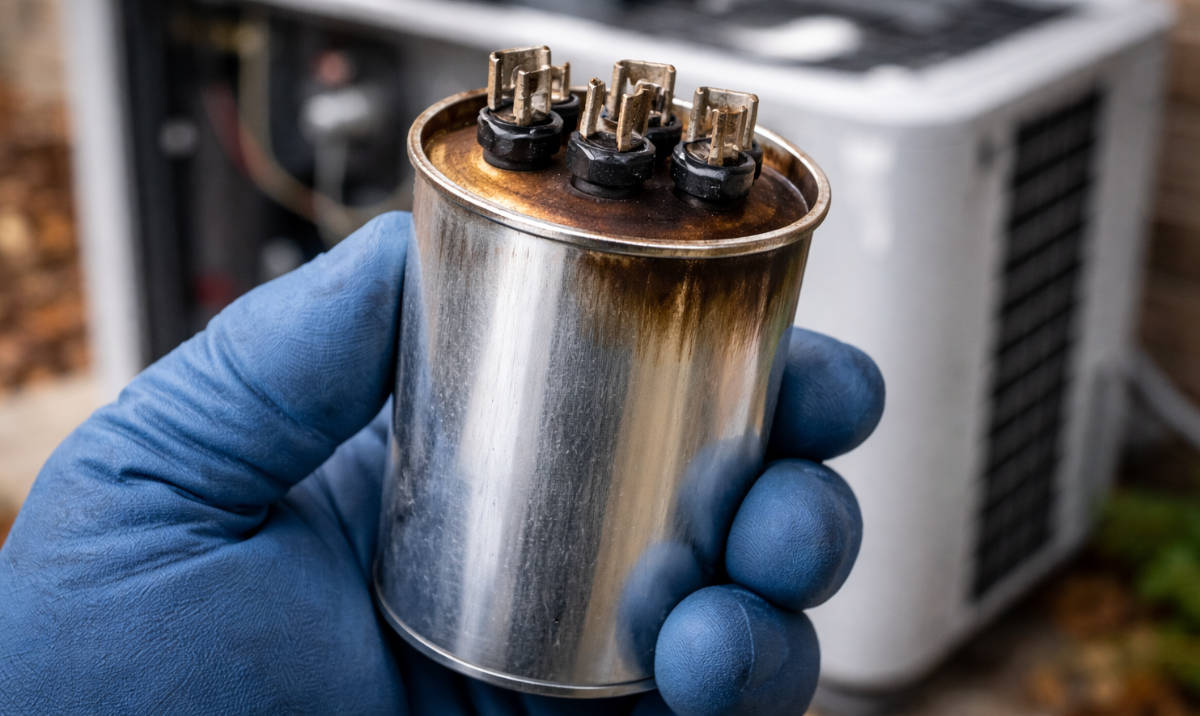
Power surges, age, and moisture exposure can damage these components. Even a small electrical failure can confuse the system, causing it to ignore thermostat signals or lock into one mode as a protective measure.
Electrical problems that affect mode switching include:
- Faulty control boards
- Burned or damaged relays
- Loose electrical connections
- Failed temperature sensors
- Wiring issues between components
Because these problems often overlap, diagnosing them requires testing and experience. Guessing can make the issue worse, especially if the system continues to run under faulty conditions.
Defrost Cycles and Outdoor Temperature Confusion
Sometimes a heat pump appears stuck when it’s actually doing its job. During colder weather, heat pumps enter defrost mode to clear ice from the outdoor unit. This temporary cycle can feel like the system stopped heating or switched to cooling.
Defrost cycles usually last only a few minutes, but if something goes wrong, the system can get stuck or cycle improperly. This creates confusion and discomfort inside the home.
Defrost-related concerns may include:
- Cool air blowing briefly during heating mode
- Outdoor unit running while indoor heat pauses
- System switching modes frequently in cold weather
If these symptoms happen occasionally, it may be normal. If they happen often or last too long, it’s worth having the system checked. Faulty sensors or control boards can disrupt proper defrost operation which may lead to the heat pump not defrosting.
Maintenance Issues That Lead to Mode Switching Problems
Regular heat pump maintenance does more than improve efficiency. It helps keep all components communicating properly. Dirty coils, clogged filters, and neglected inspections can push a system closer to failure over time.
When airflow is restricted or components are dirty, pressure and temperature readings can fall outside expected ranges. The system may respond by limiting operation or refusing to switch modes altogether.
Maintenance-related factors include:
- Dirty indoor or outdoor coils
- Severely clogged air filters
- Blocked condensate drains
- Worn electrical connections
- Lack of regular professional inspections
Regular maintenance keeps small issues from turning into frustrating comfort problems. It also helps technicians spot early warning signs before a system gets stuck in one mode.
Get Your Heat Pump Back on Track With Sunset!
If your heat pump won’t switch between heating and cooling, you don’t have to guess your way through it. At Sunset Heating, Cooling, Electrical & Plumbing, we help homeowners pinpoint the issue and get their systems working the way they should. From thermostat problems to reversing valve failures, our technicians know what to look for.
We’ve served Oregon homes for over 100 years, and heat pumps are a big part of modern comfort here. When your heat pump or any other heating system you may have acts up, we respond with clear explanations, upfront pricing, and same-day heating service whenever possible. If your heat pump feels stuck, reach out to Sunset and let us restore reliable comfort to your home.