Welcome to Sunset Plumbing & Drains, your trusted provider for comprehensive water filtration solutions in Portland, OR. At Sunset, we understand that every home has unique needs when it comes to ensuring the purity of your water. Whether you're considering a whole-house water filter system to cover every tap or a more localized solution like under-the-sink reverse osmosis or carbon filters, our team of highly experienced technicians is here to guide you. We're dedicated to helping you choose the perfect water filtration system to reduce harmful contaminants found in both city and well water, ensuring safety and peace of mind for your household. If your already installed system is acting up, don't hesitate to call us for repairs. Plus, if you need water filtration system maintenance, we've got you covered. Trust us to tailor a solution that fits both your needs and your budget.
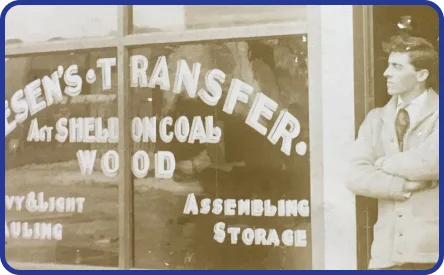
Choosing a trusted plumber to provide quality plumbing services will give you peace of mind knowing your plumbing system is well taken care of. At Sunset, we’ve been working with homeowners in the area since 1922.
We’re staffed by the most experienced and qualified plumbers in the area who offer premium plumbing services. We ensure 100% satisfaction with every project.
What to Expect During Your Home Water Filtration System Installation From Sunset
No matter which type of water filtration system your home needs, Sunset has you covered. Here is what to expect during a water filtration installation.
- Review your water. The technician asks about taste, odor, and other concerns. The technician also notes whether the home uses city or well water.
- Choose the right system. Options include a whole house system for every tap or an under-sink system such as reverse osmosis or carbon filters.
- Install the system. The technician connects the system to the home's plumbing. A whole house system connects at the main water line.
- Test and explain. The technician checks for leaks and runs the water. Then the technician explains filter changes and maintenance.
WIDGET fc2c636 (OFFERS BLOCK 13082, STILL SHOWS HALLOWEEN OFFERS): SHARED TEMPLATE, NOT PART OF THE PASTE
WIDGET 7a140f9 (LOWER TEXT BLOCK): PASTE INTO THIS PAGE'S LOWER TEXT EDITOR, REPLACING ALL OF IT
Types of Water Filtration Systems We Install
Sunset installs five common types of water filtration systems. Each type targets different problems in the water.
Charcoal Filters
How they work: Charcoal, or activated carbon filters, work by adsorption where contaminants in the water are trapped inside the pore structure of the carbon substrate.
Pros:
- Affordability: Charcoal filters are among the most budget-friendly options available.
- Ease of Maintenance: They require minimal upkeep, making them convenient for everyday use.
- Effectiveness Against Chlorine: Excellent for reducing chlorine, which improves the taste and odor of water.
Cons:
- Limited Filtration: While effective against chlorine and some chemicals, charcoal filters do not remove all types of contaminants such as heavy metals or microorganisms.
- Frequent Replacement Needed: The filters need to be replaced regularly to maintain effectiveness, which can add to long-term costs.
Sediment Filters
How they work: Sediment filters remove solid particles such as dirt, rust, and sand from water, typically using a fine mesh to physically trap these particulates.
Pros:
- Cost-Effective: These filters are generally inexpensive and effective at removing physical particles.
- Protects Appliances: By filtering out sediment, these systems can extend the life of plumbing and appliances by preventing clogs and wear.
Cons:
- Limited Scope: Sediment filters are primarily effective only against physical impurities like dirt and rust.
- Requires Secondary Filtration: Often, sediment filters need to be paired with another type of filtration system to ensure comprehensive water purification.
Water Distillers
How they work: Water distillers heat water to boiling, then collect the steam in a condenser. The steam cools and reverts to water in a separate container, leaving behind most contaminants.
Pros:
- Removes a Broad Range of Contaminants: Water distillers are very effective at eliminating a wide variety of contaminants, including bacteria, viruses, chemicals, and minerals.
- No Installation Required: Portable units are available that do not require installation.
Cons:
- High Energy Usage: Distillers require a significant amount of electricity to operate, which can increase your energy bills.
- Slow Process: The distillation process can be time-consuming, making it less convenient for immediate use of large amounts of water.
Reverse Osmosis Filters
How it works: This system forces water through a semi-permeable membrane that blocks contaminants but allows water molecules to pass through.
Pros:
- Highly Effective: This system removes up to 99% of all contaminants, including heavy metals, fluoride, and microorganisms.
- Improves Taste: The thorough filtration process results in cleaner, fresher tasting water.
Cons:
- Wastewater: Reverse osmosis systems produce a considerable amount of wastewater compared to the clean water output.
- Cost and Maintenance: These systems are typically more expensive and require more maintenance than other filters.
UV Filters
How they work: UV water filters use ultraviolet light to kill or inactivate microorganisms by destroying their DNA.
Pros:
- Kills Pathogens: UV filtration is extremely effective at destroying bacteria, viruses, and other pathogens.
- Chemical-Free: This method does not use any chemicals, making it environmentally friendly.
Cons:
- Limited Functionality: UV filters only kill organisms; they do not remove chemical contaminants, heavy metals, or improve the water’s taste or odor.
- Energy Dependent: Requires a constant power supply to operate the UV lamp, and frequent bulb changes are needed.