Few things are more frustrating than turning on the shower, expecting hot water, and instead getting a chilly surprise. You stand there, waiting… and waiting… while the water slowly creeps toward warm.
If your water heater seems to take forever to deliver hot water (or never quite gets there) it’s not your imagination. There are a few common reasons why this happens, and fortunately, most of them can be fixed with a little know-how or help from a trusted plumbing professional.
1. The Distance Between Your Water Heater and the Faucet
One of the simplest (and most overlooked) reasons for slow hot water is distance. The farther your bathroom, kitchen, or laundry room is from the water heater, the longer it takes for hot water to travel through the pipes.
Think of it like waiting for a train; you can hear it coming, but it still has to travel down the tracks. The same goes for water traveling through plumbing lines, especially in large or multi-story homes.
Here’s what you can do to speed things up:
- Install a hot water recirculation pump. This keeps hot water circulating through the pipes so it’s ready almost instantly when you turn the tap.
- Insulate your water lines. Insulated pipes help retain heat, so water doesn’t cool off as it moves through your plumbing system.
- Upgrade to a tankless water heater. Unlike traditional models, tankless water heaters heat water on demand, which means no waiting for a full tank to warm up.
If your kitchen sink is across the house from your water heater, these upgrades can make a world of difference.
2. Sediment Buildup Inside the Tank
If your home uses a traditional tank-style water heater, sediment buildup could be slowing everything down. Over time, minerals like calcium and magnesium collect at the bottom of the tank, especially in areas with hard water.
That layer of sediment acts like insulation, making it harder for your heating element or burner to do its job. As a result, the water takes longer to heat, and your system has to work overtime to deliver hot water.
Some telltale signs of sediment buildup include popping or rumbling noises coming from your tank, discolored water, or a noticeable drop in efficiency.
The solution? Schedule routine water heater maintenance. A professional plumber can flush the tank to remove sediment, inspect for wear, and make sure your system is running at peak efficiency.
3. The Type and Size of Your Water Heater
Not all water heaters are created equal, and sometimes the problem isn’t with performance, it’s with capacity. If your water heater is too small for your household’s needs, it can struggle to keep up when multiple taps or appliances are running at once.
If your family keeps running out of hot water, it may be time to re-evaluate your system.
Here’s a quick guide to capacity needs:
- 1–2 people: 30–40 gallon tank
- 3–4 people: 40–50 gallon tank
- 5+ people: 50–80 gallon tank
If you’ve added more bathrooms, upgraded to larger appliances, or expanded your household, your old unit might simply be undersized. In that case, upgrading to a larger model (or even better, a tankless water heater) can give you an endless supply of hot water without the wait.
Tankless models heat water as it flows through the system, so you never run out and never have to wait for a tank to refill.
4. Issues with the Heating Element or Burner
If your water heater seems sluggish no matter how long you wait, the problem might be with the heating element (for electric models) or the burner (for gas models).
When these components start to fail, your system won’t reach the proper temperature efficiently, or at all. Electric elements can burn out, and gas burners can become clogged with debris or soot.
A few warning signs include:
- Lukewarm water, even at the hottest setting
- Fluctuating water temperature
- Strange noises coming from the tank
- Pilot light issues in gas models
For this kind of problem, professional water heater repair is the safest solution. A trained technician can test the element or burner, clean or replace parts, and make sure your water heater is functioning safely and efficiently.
5. Your Home’s Plumbing or Water Pressure May Be the Culprit
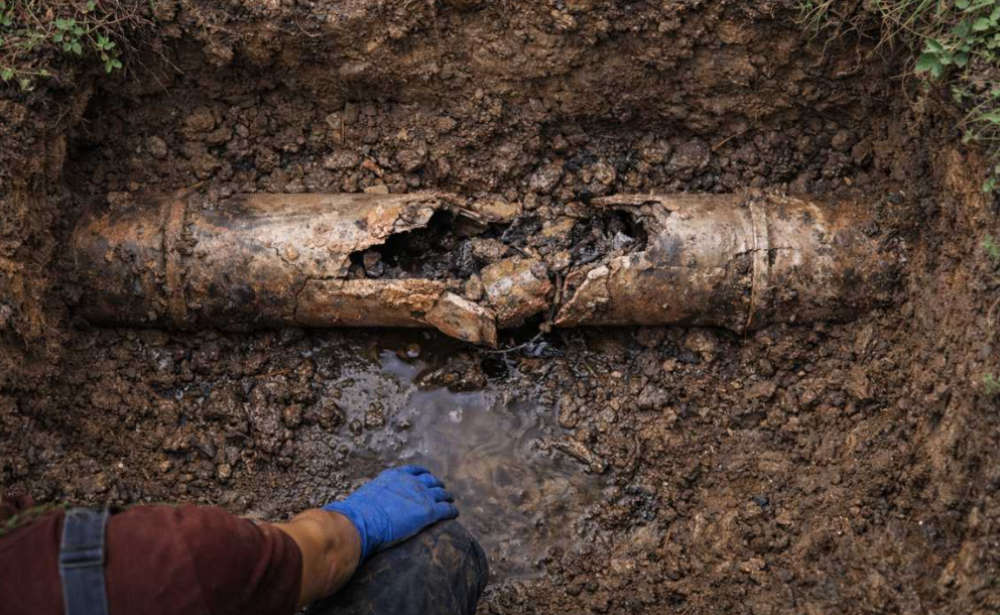
Sometimes the issue isn’t with the water heater at all. It’s with your home’s plumbing or water pressure. Long pipe runs, narrow plumbing lines, or pressure regulators that are set too low can all make hot water sluggish to arrive.
If you’ve noticed reduced pressure, uneven temperatures, or water that takes longer to reach upstairs bathrooms than downstairs ones, it’s worth having a plumber inspect your system.
Here are a few things that might be slowing things down:
- Partially closed shut-off valves
- Clogged aerators in faucets
- Aging or corroded pipes
- Poorly designed plumbing layouts
A professional can assess your setup and recommend solutions like rerouting lines, adjusting pressure regulators, or upgrading outdated piping for faster, more reliable performance.
6. Seasonal Temperature Changes
Believe it or not, the time of year can make a noticeable difference in how fast your water heater delivers warm water. During Oregon’s colder months, the incoming water temperature drops significantly, so your water heater has to work harder to reach your preferred temperature.
If your system is already older or undersized, that extra demand can make delays even more noticeable.
To help combat seasonal slowdowns:
- Set your water heater thermostat to around 120°F for optimal performance.
- Insulate both your tank and your water pipes to retain more heat.
- Schedule annual water heater maintenance before the cold season hits.
These small adjustments can go a long way toward keeping your hot water consistent, even during Portland’s rainiest winters.
7. It Might Just Be Time for an Upgrade
If your water heater is more than 10 years old, slow heating could be a sign that it’s nearing the end of its life. Older systems lose efficiency over time, and repairs can start to add up.
Today’s water heaters are more efficient, reliable, and adaptable than ever. You can choose from:
- High-efficiency traditional tanks that heat faster and waste less energy.
- Hybrid models that combine electric and heat pump technology.
- Tankless water heaters that provide endless hot water on demand.
If you’re tired of waiting for hot water every morning, upgrading can dramatically improve both comfort and energy savings. A professional plumber can help you compare options and choose the best model for your home and budget.
How Routine Maintenance Can Prevent Future Delays
Regular care and attention are key to keeping your water heater performing like it should. Just like your car needs oil changes, your water heater needs flushing, inspections, and occasional part replacements to stay in top shape.
Routine water heater services can:
- Remove sediment and mineral buildup.
- Extend the life of heating elements and components.
- Improve efficiency and heat recovery times.
- Catch small issues before they turn into major repairs.
Scheduling annual water heater maintenance ensures your system is clean, efficient, and ready to deliver the comfort your household depends on. And if something does go wrong, you’ll already have a trusted team familiar with your setup to make repairs quickly.
Call Sunset Today for Fast and Reliable Water Heater Services
If your shower keeps turning cold before you’re ready, or your sink takes forever to warm up, it might be time to call in the pros. At Sunset Heating, Cooling, Electrical & Plumbing, we offer expert water heater repair, installation, and maintenance for Portland, Dallas, Vancouver, and the surrounding areas.
Our licensed plumbers service all makes and models, including both traditional and tankless systems, and we’ll get your water heating quickly and efficiently again. With over a century of trusted service, we take pride in keeping Oregon homes comfortable, safe, and energy-smart year-round.
Call Sunset today or schedule your appointment online. Let’s bring back that reliable hot water you’ve been missing, quickly, safely, and affordably.