Few household problems are as annoying as a clogged drain. You turn on the faucet, and instead of water flowing away like it should, it backs up and just sits there. Sometimes it’s slow, sometimes it’s completely stuck, but either way, it disrupts your day fast. When a plunger doesn’t cut it, a drain snake is often the next step.
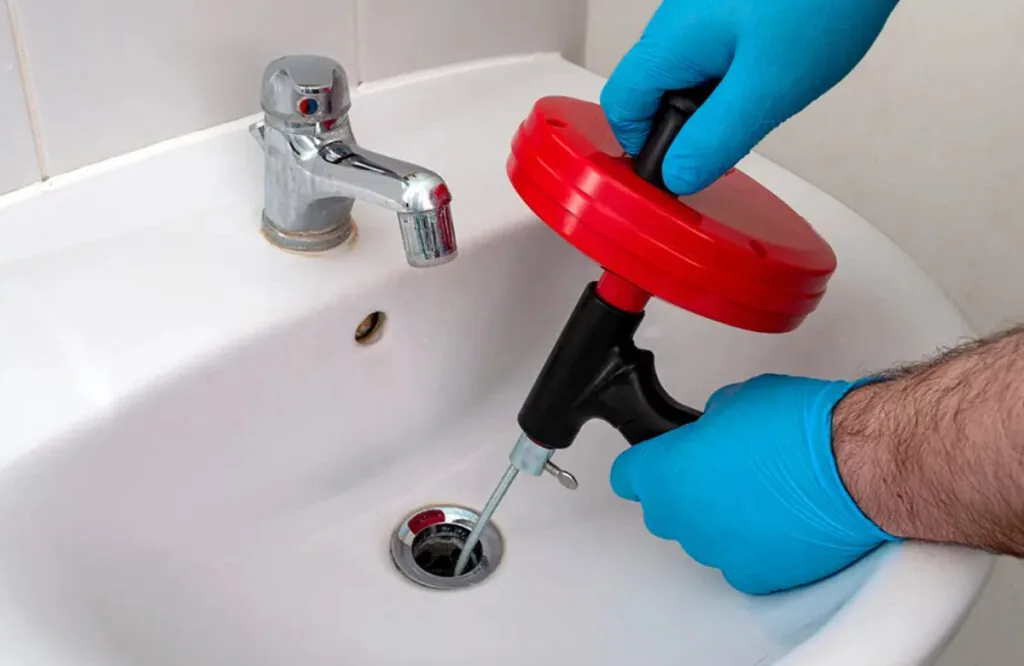
A drain snake, also called a plumbing auger, can be a helpful tool when used correctly. It’s designed to reach deeper into the drain and break up or pull out clogs that soap, hair, grease, and debris leave behind. Knowing how to use one properly can save time and frustration, and help you decide when it’s time to call in professional help.
Dealing with persistent plumbing clogs? If you're in Portland, Dallas, or the nearby Oregon areas, don't hesitate to contact Sunset Heating, Cooling, Electrical & Plumbing for professional drain cleaning and other plumbing services.
What a Drain Snake Is and When It Works Best
A drain snake is a long, flexible metal cable with a coiled or hooked end. You feed it into the drain and rotate it to grab or break apart whatever is causing the blockage. There are manual versions that you crank by hand and powered versions that do the work for you.
Drain snakes work best on common household clogs located relatively close to the drain opening. Hair, soap buildup, food debris, and light grease blockages are all good candidates. They’re especially useful for bathroom sinks, tubs, and shower drains.
That said, not every clog should be tackled with a snake. If the blockage is deep in the sewer line or caused by tree roots or collapsed pipes, a drain snake will not fix the problem and could make things worse. Understanding what you’re dealing with before starting makes a big difference.
Choosing the Right Drain Snake for the Job
Not all drain snakes are the same, and using the wrong one can lead to frustration or damage. For most homeowners, a basic handheld drain snake is enough for minor clogs. These are affordable, easy to store, and simple to operate.
Powered drain snakes are stronger and can reach farther, but they require more care and experience. Using too much force can damage pipes, especially older plumbing systems.
When selecting a drain snake, consider:
- The type of drain you’re working on (sink, tub, or floor drain)
- The approximate depth of the clog
- Whether your plumbing is older or made of delicate materials
- How comfortable you are handling tools
- The diameter of the snake cable
If you’re unsure which tool to use, it’s better to start small. You can always step back and call a professional if the clog resists basic methods.
Preparing the Area Before You Start
Before you start feeding a drain snake into your plumbing, a little preparation goes a long way. Drain work can get messy, and taking a few minutes to set up helps avoid unnecessary cleanup or damage.
Clear out the area under the sink or around the drain so you have room to move. Place a bucket or towels nearby to catch any water or debris that comes back out. Wearing gloves is also a good idea since whatever you pull up will not be pleasant.
If you’re working on a sink, remove the drain stopper if possible. For bathroom sinks, you may need to disconnect the P-trap to get better access. This can make snaking easier and reduce the risk of pushing the clog farther down.
Preparation steps to take include:
- Turning off water to the fixture if needed
- Laying down towels or a drop cloth
- Putting on gloves and old clothes
- Removing drain covers or stoppers
- Positioning a bucket under the work area
Once everything is ready, you can focus on the task without rushing.
Step-by-Step Guide to Using a Drain Snake
Using a drain snake is more about patience than force. Pushing too hard or cranking too fast can damage pipes or cause the snake to coil back on itself. Slow and steady usually wins.
Start by inserting the end of the snake into the drain opening. Gently push it forward while turning the handle clockwise. When you feel resistance, that’s likely the clog. Continue rotating to help the snake latch onto the blockage or break it apart.
Once you feel the snake grab something, slowly pull it back out while continuing to turn the handle. Be prepared for debris to come with it. After removing the snake, run hot water to see if the drain clears.
Key steps to follow:
- Feed the snake slowly into the drain
- Rotate the handle steadily, not aggressively
- Stop when you feel resistance
- Pull the snake out carefully
- Flush the drain with water afterward
If the drain improves but does not fully clear, you may need to repeat the process once or twice.
Common Mistakes to Avoid When Snaking a Drain
Drain snakes are useful, but they can cause problems if used incorrectly. Many homeowners make mistakes that either fail to clear the clog or damage the plumbing.
One common mistake is forcing the snake when it meets resistance. That resistance could be a pipe joint, not a clog. Forcing the snake can scratch, puncture, or dislodge pipes. Another mistake is spinning the snake too quickly, which can tangle the cable inside the drain.
Mistakes to watch out for include:
- Using excessive force: Forcing the snake can damage pipes, loosen joints, or puncture older plumbing materials.
- Snaking without removing drain stoppers: Drain stoppers block access and prevent the snake from reaching the actual clog.
- Pushing clogs deeper into the pipe: Improper technique can move debris farther down, making the blockage harder to remove.
- Using chemical cleaners before snaking: Chemicals can weaken pipes and create dangerous splashes when the snake disturbs the liquid.
- Ignoring signs of deeper plumbing issues: Overlooking warning signs can allow serious problems to worsen and lead to costly repairs.
Chemical drain cleaners deserve special mention. They can weaken pipes and create dangerous splashes when combined with snaking. If chemicals were used recently, wait and flush thoroughly before attempting any mechanical clearing.
When a Drain Snake Is Not Enough
Sometimes, even a well-used drain snake won’t solve the problem. That doesn’t mean you did anything wrong. It often means the clog is beyond the reach or ability of a basic tool.
Recurring clogs, slow drains throughout the house, or gurgling noises can signal larger issues like buildup deep in the sewer line or damaged pipes. In these cases, continuing to snake can waste time and potentially cause damage.
Signs you may need professional drain cleaning include:
- Multiple drains backing up at once: This often signals a blockage in the main sewer line rather than an isolated drain issue.
- Clogs that return quickly after clearing: Recurring clogs usually mean buildup remains deeper in the pipe, or there is a structural problem.
- Water backing up into tubs or showers: This can indicate a serious blockage preventing wastewater from flowing out properly.
- Sewage odors coming from drains: Foul smells often point to trapped waste, venting problems, or sewer line issues.
- Drains that never fully clear: Persistent slow drainage suggests heavy buildup or damage that basic tools cannot resolve.
Professional plumbers use advanced equipment like motorized augers and camera inspections to find and fix the real cause of the problem.
How to Reduce Future Drain Clogs
Once the drain is flowing again, a few habits can help keep it that way. Most clogs build up slowly over time, so small changes can make a big difference.
Avoid sending grease, coffee grounds, and food scraps down kitchen sinks. In bathrooms, use drain covers to catch hair before it enters the pipe. Running hot water after heavy use can also help reduce buildup.
Simple prevention tips include:
- Using strainers in sinks and showers
- Avoiding grease and oil in drains
- Flushing drains with hot water regularly
- Cleaning drain covers frequently
- Scheduling routine plumbing maintenance
Preventive care is always easier and cheaper than emergency repairs.
Need Professional Help With a Stubborn Drain Clog? Call Sunset Today!
Using a drain snake can work for minor clogs, but not every blockage should be a DIY project. If your drain is still slow, backing up, or clogging repeatedly, it may be time for professional help. At Sunset Heating, Cooling, Electrical & Plumbing, we handle drain cleaning the right way, without guesswork or unnecessary damage.
We’ve served Oregon homeowners for over 100 years, and we know how quickly a small clog can turn into a big headache. Our plumbers use professional tools to clear drains completely and identify underlying issues before they grow. If your drain won’t cooperate, reach out to Sunset and let us take care of the mess so you don’t have to.