
If your heat pump is giving off an unpleasant odor, it’s not something to ignore. Strange smells can signal anything from minor maintenance issues to more serious system problems that affect your comfort, air quality, and safety.
For Oregon homeowners, where heat pumps run year-round for both heating and cooling, these odors can show up during seasonal transitions or periods of heavy use. Understanding what those smells mean can help you take the right action quickly.
Dealing with a smelly heat pump? Reach out to Sunset for fast and reliable heat pump maintenance. We're available 24/7 in Portland, Dallas, and throughout Oregon. Call us today at 503-773-6695 or contact us online to schedule your next service.
What Causes a Heat Pump to Smell?
Heat pumps circulate air throughout your home, so when something inside the system isn’t right, odors can spread quickly.
Different smells often point to different problems, and identifying the type of odor is the first step toward solving it.
Common Heat Pump Smells and What They Mean
1. Musty or Moldy Smell
A musty odor is one of the most common complaints and is usually caused by mold or mildew growth.
This can happen when:
- Moisture builds up in the system
- The condensate drain is clogged
- Filters are dirty
Oregon’s damp climate, especially during rainy seasons, can make this issue more likely.
2. Burning Smell
If you notice a burning odor, it could be due to:
- Dust burning off after a long period of inactivity
- Overheating components
- Electrical issues
A brief burning smell when switching from cooling to heating can be normal. However, if it lingers, it may indicate a more serious problem.
3. Rotten Egg Smell
A sulfur or rotten egg odor is a serious warning sign.
While heat pumps themselves don’t produce this smell, it could indicate:
- A natural gas leak nearby
- Sewer gas entering your home
If you smell rotten eggs:
- Leave your home immediately
- Avoid using electrical switches
- Contact your gas provider or emergency services
4. Chemical or Sweet Smell
A chemical-like odor may point to a refrigerant leak.
This can lead to:
- Reduced system efficiency
- Poor cooling or heating performance
- Potential health concerns
Refrigerant issues require professional repair and should be addressed quickly.
5. Dirty Sock Smell
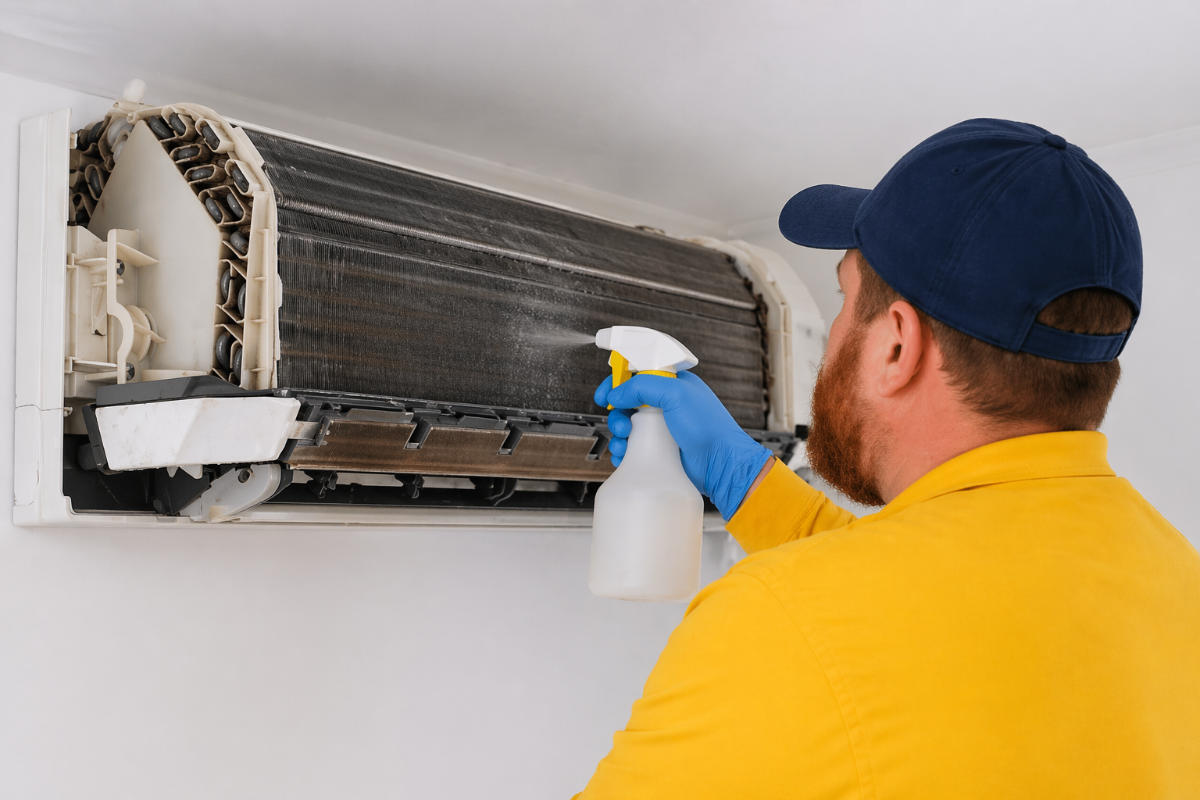
This unpleasant smell is often linked to bacteria buildup on the evaporator coil.
It typically occurs when:
- Moisture combines with organic debris
- The system cycles frequently without fully drying
This is a common issue in systems that run often during mild Oregon weather.
Why Heat Pump Odors Are Common in Oregon
Oregon’s climate plays a big role in heat pump performance:
- Damp, rainy conditions encourage mold growth
- Seasonal transitions cause systems to switch modes frequently
- Airborne particles from wildfire smoke can build up inside components
Because heat pumps run year-round in many Oregon homes, regular maintenance is especially important to prevent odor issues.
What Homeowners Can Do First
Some odor issues can be resolved with simple steps:
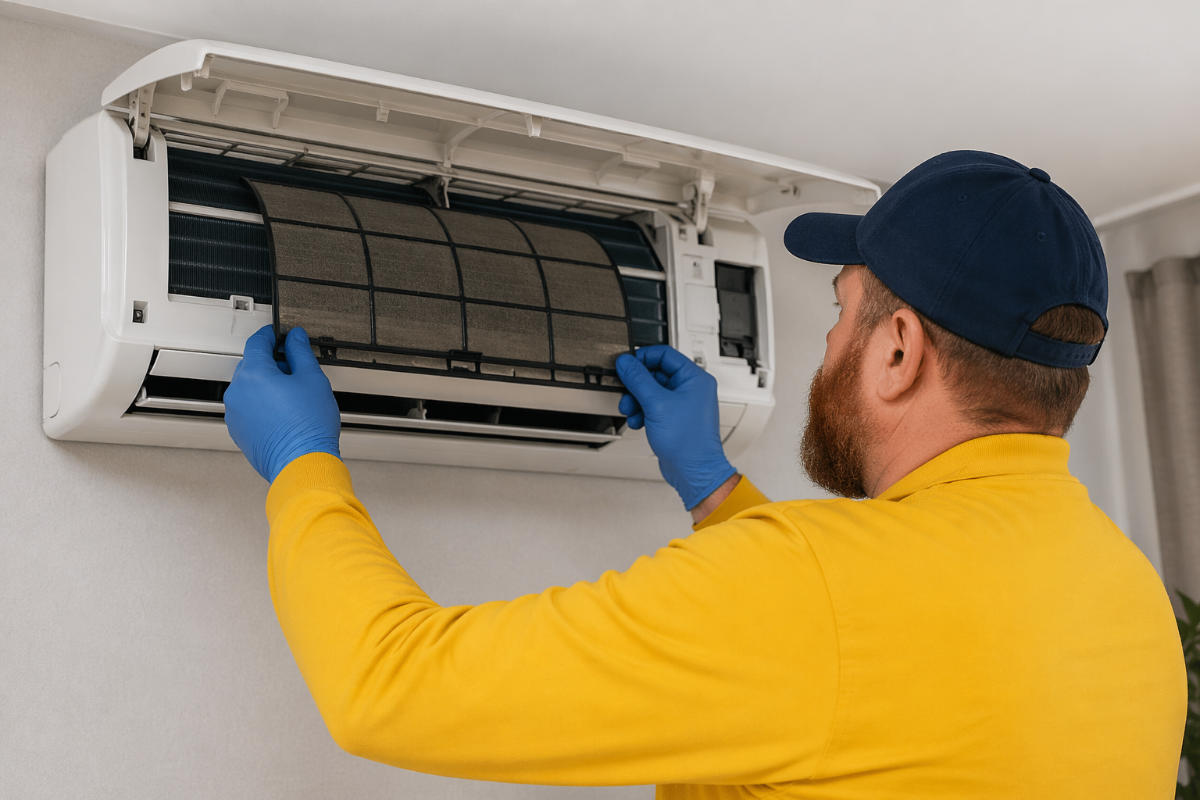
- Replace or clean your air filter
- Check for standing water around the indoor unit
- Make sure vents and registers are clean
- Run your system in fan mode to help dry it out
If the smell persists, it’s time to call a professional.
How to Know When You Need Professional Help
You should schedule service if:
- The smell is strong or getting worse
- You notice reduced system performance
- The odor returns after changing filters
- You suspect mold, electrical issues, or refrigerant leaks
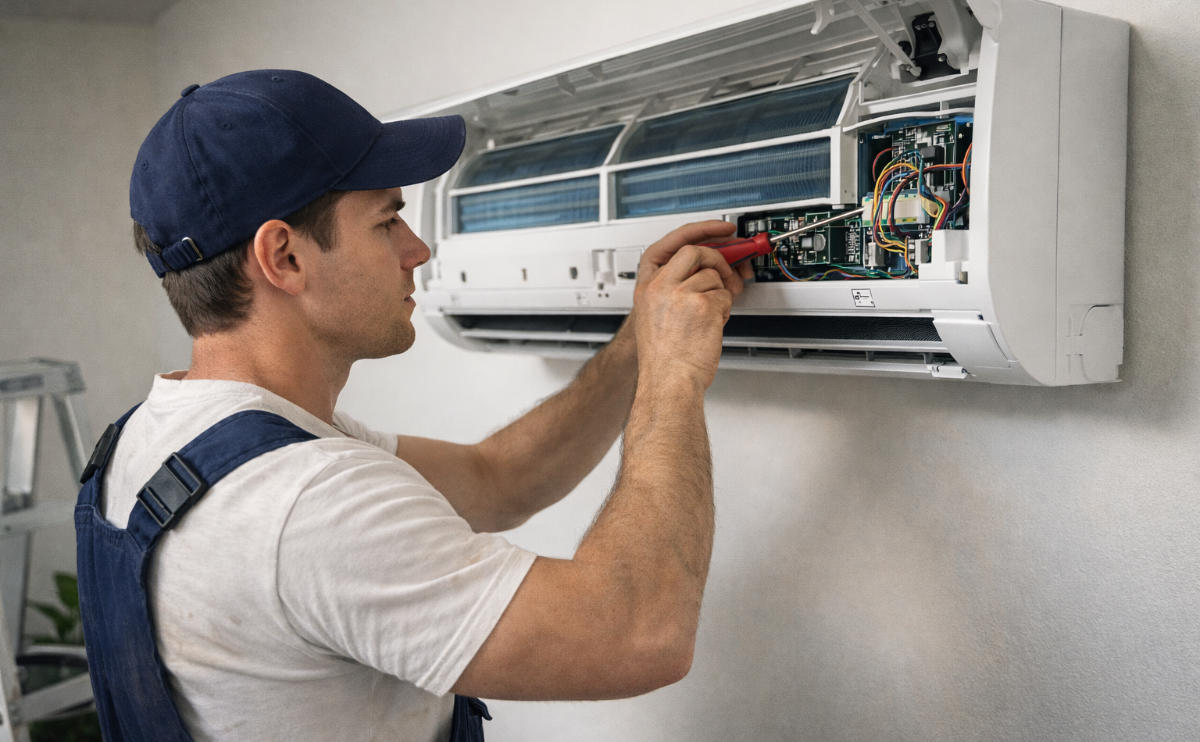
A licensed technician can inspect your system, clean internal components, and identify any underlying problems.
How to Prevent Heat Pump Odors
Preventative maintenance is key to keeping your system clean and odor-free.
Best practices include:
- Scheduling annual heat pump tune-ups
- Keeping coils and drain lines clean
- Replacing filters regularly
- Installing indoor air quality solutions if needed
These steps help improve both system performance and the air you breathe inside your home.
Frequently Asked Questions About Heat Pump Smells
Is it normal for a heat pump to smell?
Some mild odors during seasonal changes are normal, but persistent or strong smells are not.
Can a dirty filter cause bad smells?
Yes. Dirty filters can trap moisture and debris, leading to musty or unpleasant odors.
Are heat pump odors dangerous?
Some can be, especially burning, chemical, or gas-like smells. These should always be checked immediately.
Schedule Heat Pump Service with Sunset Heating & Cooling
If your heat pump smells bad, don’t wait for the issue to get worse. Sunset Heating & Cooling provides expert diagnostics, thorough cleanings, and reliable heat pump repairs across Oregon.
Our team is here to restore your comfort and improve your indoor air quality, quickly and professionally.
Call Sunset Heating & Cooling today for trusted heat pump service. Need fast help? Contact Sunset now for same-day service. Protect your home comfort; schedule your appointment today.
For more than a century, Oregonians have trusted Sunset Heating & Cooling for dependable service. Call us today to schedule your appointment and experience the difference of expert care.